Best collection software for B2B finance teams
Collection software for B2B invoices: seven tools compared by follow-up, payment matching and pricing model, and how they differ from debt-recovery tools.

Lokesh Mahala, CEO & Co-founder
· 14 min read
On this page
- The best collection software for B2B teams, at a glance
- B2B invoice collections or debt recovery: which tool do you need?
- When does an unpaid B2B invoice become a recovery case?
- How we chose the tools
- Seven AR collections software tools, reviewed
- Sonic AI: our top pick for contract-led collections
- Upflow: collections and payments on top of an ERP
- Chaser: automated chasing with optional credit control help
- Tesorio: AI agents for larger AR teams
- Gaviti: collections with credit and dispute tools
- Kolleno: collections, payments and bank reconciliation
- Quadient AR: rule-based reminders across print and digital
- What collections automation software handles in a month: a worked example
- Watch out for: judging a collections tool on clean invoices
- How India and the US differ when you buy collection software
- When collection software isn't worth buying yet
- A demo script for collections management software
B2B collection software chases unpaid invoices you've sent to other businesses and runs the follow-up worklist. Lender and agency debt-recovery tools chase consumer debts under different rules. Our top pick is Sonic AI, which runs collections from the signed contract and stops chasing once the deposit is matched to the invoice. Upflow or Chaser suit collections on top of an accounting system, and Tesorio, Gaviti, Kolleno or Quadient AR suit wider AR suites.
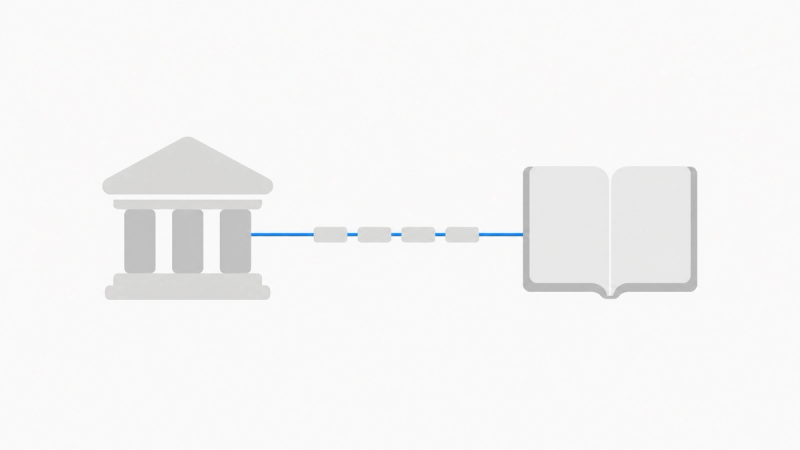
Google mixes the two. Search for collection software and much of the first page is built for collection agencies and lenders, with a museum collections tool thrown in. This list covers only tools for a business collecting on invoices it has issued. For the process those tools support, start with accounts receivable collections for B2B teams.
The best collection software for B2B teams, at a glance
The right tool depends on where your invoices are created and how much of the receivables work you want in one product. The table gives each tool's best fit and pricing model. The reviews below use the same five criteria for each one.
| Tool | Best for | Pricing model |
|---|---|---|
| Sonic AI, our product and top pick | B2B teams billing from signed contracts and usage who want follow-up tied to the contract and to bank matching | Fixed subscription |
| Upflow | B2B teams that want collections and payments on top of an ERP or billing system | Plans by yearly invoiced revenue, no seat fees |
| Chaser | Teams on Xero, QuickBooks or Sage that want automated chasing, with optional outsourced credit control | Monthly or yearly plans by annual revenue band |
| Tesorio | Larger B2B teams that want AI agents for follow-up, cash application and buyer portals | Not published, through sales |
| Gaviti | Teams that want collections alongside credit checks, disputes and a payment portal | Custom quote based on usage, not per user |
| Kolleno | Teams that want collections, payments and bank reconciliation in one product | Per user on Business plans, custom on Enterprise plans |
| Quadient AR | Teams that send reminders on paper as well as online and want credit and cash application too | Customised plans |
B2B invoice collections or debt recovery: which tool do you need?
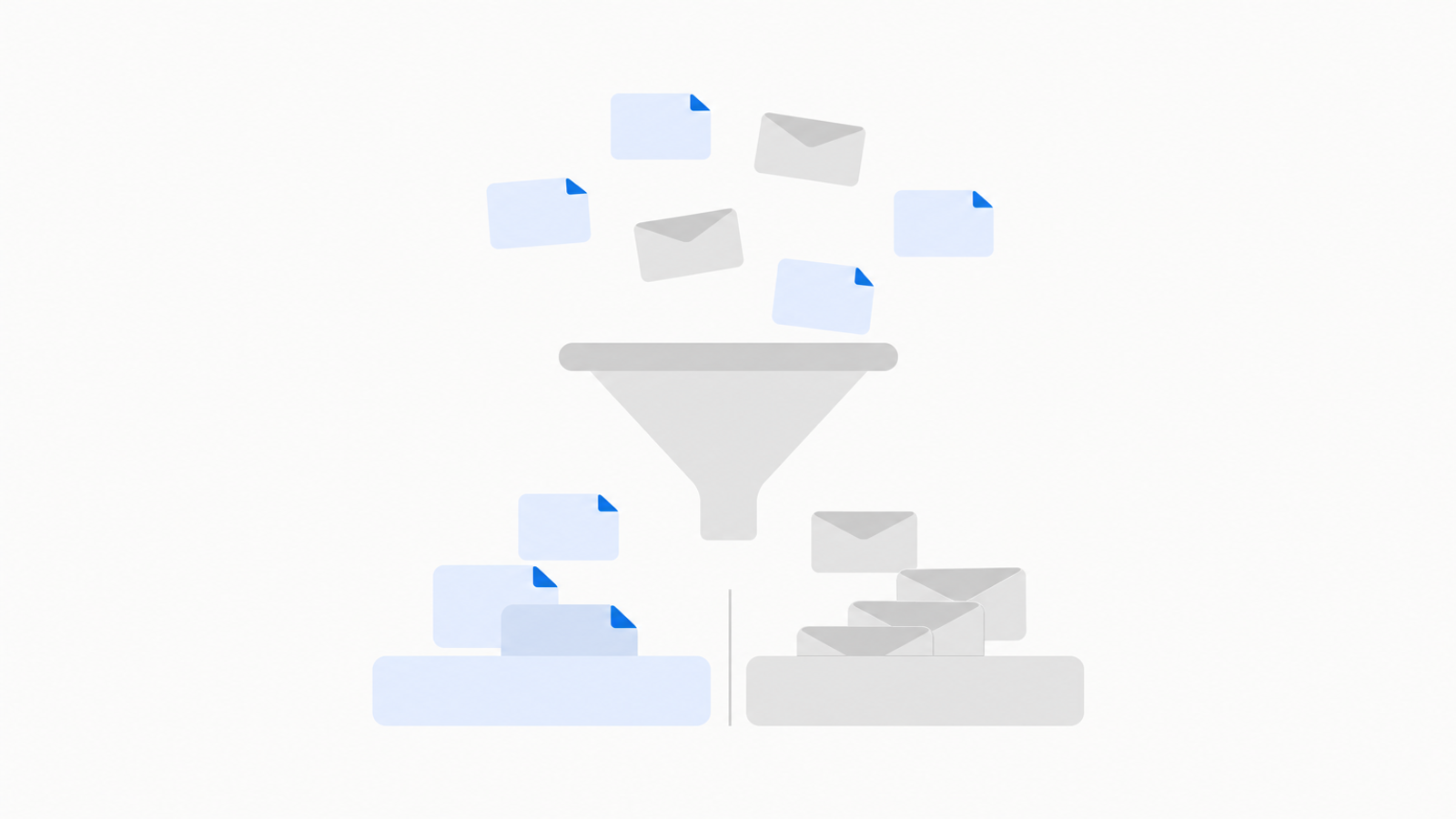
You need B2B invoice collections software when another business owes you money on an invoice you issued under agreed terms. Debt-recovery software is for lenders and collection agencies chasing individuals, usually on loans or consumer bills, often long after the account defaulted.
Accounts receivable collections software starts from your accounts receivable, the invoices customers owe you, and works the account while you still want the customer. Debt-recovery tools start from a defaulted balance and are built around the rules on how and when a debtor can be contacted.
| Question | B2B invoice collections | Lender and agency debt recovery |
|---|---|---|
| Who owes the money | A business customer, on an invoice | An individual, on a loan or consumer bill |
| When the work starts | Before or soon after the due date | After default, often months later |
| What the software runs | Reminders, disputes, promises to pay, payment matching | Contact campaigns, payment plans, placements with agencies |
| Rules that shape it | Your contract terms, plus late-payment law such as India's MSMED Act | Consumer debt and lending rules |
| How it ends | The deposit is matched and the invoice closes | The debt is paid, settled or written off |
The rules differ because the law treats consumer debt separately. According to the 2023 US Code text of the Fair Debt Collection Practices Act, a debt under the Act is an obligation of a consumer, meaning a natural person, from a transaction "primarily for personal, family, or household purposes". An invoice one company owes another sits outside that definition.
Lender tools in India carry their own constraints. According to the Reserve Bank of India's 2022 circular on recovery agents, banks and other regulated lenders must stop themselves and their agents from calling borrowers before 8:00 a.m. or after 7:00 p.m. to recover overdue loans. Debt-recovery software is built around rules like these. B2B collections software is built around your invoices and the customer's accounts payable team.
When does an unpaid B2B invoice become a recovery case?
A B2B invoice becomes a recovery case when normal follow-up has stopped working and you're ready to bring in someone outside the relationship: a collection agency, a lawyer or, in India, a government dispute route. Collection software is for the stage before that.
According to Coface's 2025 Asia Payment Survey, 40% of companies in the region reported ultra-long payment delays, meaning delays over 180 days that exceed 2% of annual revenue, and those delays were highest in China, India, Thailand and Malaysia. Coface says 80% of such delays have never been paid, in its experience. An invoice that old needs a decision from finance about escalating or writing it off.
Indian suppliers registered as micro or small enterprises have a formal route. According to the Ministry of MSME's Samadhaan portal, which sets out Section 16 of the MSMED Act 2006, a buyer who doesn't pay within 45 days of accepting the goods or services owes compound interest with monthly rests at three times the bank rate notified by the RBI. New delayed-payment cases now go to the MSME ODR Portal.
This is general information. Confirm how these rules apply to your business with your lawyer or adviser.
How we chose the tools
We picked tools whose main job is following up on unpaid B2B invoices and running the collections worklist. We judged each one on the same five points, in this order:
- Where invoices come from. Which ERP, accounting or billing systems the tool reads invoices from. Collections can only be as right as the invoice it chases.
- How follow-up works. The channels, who writes the message, and whether a person approves it before it goes. A fixed reminder sequence is dunning, and most of these tools add more on top.
- What stops the chasing. Whether the tool matches payments to invoices itself or waits for your accounting system to mark them paid.
- The worklist. Priorities, disputes, a promise to pay and credit checks: what a collector needs beyond the reminder.
- Pricing model. How the vendor charges. We leave out amounts, which change and are usually quoted.
We describe the other six tools from their own websites, checked on 16 November 2026. We haven't tested them hands-on. Suites built for the whole receivables process, such as HighRadius, Billtrust and Esker, are in our list of the best accounts receivable software instead.
Seven AR collections software tools, reviewed
Each review follows the five criteria above, then names a real drawback.
Sonic AI: our top pick for contract-led collections
Sonic AI suits B2B teams that bill from signed contracts and usage data and want follow-up to run from those terms, with chasing that stops when the bank deposit is matched to the invoice.
- Invoices come from: Sonic itself. Its Contract agent reads the signed contract into a billing schedule, and the billing engine rates usage and drafts the invoices. Entries go to your ERP or accounting system, such as NetSuite or QuickBooks.
- Follow-up: The Collections agent drafts each reminder from the account's history and the signed contract terms, on a cadence your team sets, and a person approves it before it goes out.
- When chasing stops: When the deposit is matched to the invoice. The Bank reconciliation agent matches deposits to invoices and queues unclear ones for a person.
- Worklist: A promise to pay holds the cadence until the promised date.
- Pricing model: Fixed subscription.
- Why it's our top pick: Sonic runs billing and collections together, so every reminder matches the invoice and the contract behind it, and chasing stops the moment the deposit is matched.
To see a month of follow-up on your own invoices, book a demo.
Upflow: collections and payments on top of an ERP
Upflow is a collections and payments platform for B2B finance teams that already create invoices in an ERP, accounting or billing system.
- Invoices come from: Integrations including NetSuite, Sage Intacct, QuickBooks Online and Xero, plus billing systems. SAP S/4HANA and Microsoft Dynamics 365 are listed as coming soon.
- Follow-up: Email, SMS, call and letter reminders. A Collections Agent writes outreach grounded in your AR history, with autonomy you set from suggestion-only to fully autonomous.
- When chasing stops: Its cash application applies confident matches and syncs with the ERP in real time.
- Worklist: Collection analytics on every plan, branded customer portals from the Grow plan, and a rules engine from the Scale plan. Customers can pay by card or ACH direct debit through Upflow Payments.
- Pricing model: Plans by yearly gross invoice value, each with an invoice cap, unlimited users and no seat fees. SMS, calls and letters carry usage fees.
- Drawback: The agents sit on the upper plans. The Collections Agent starts at Scale and the Cash Application Agent at Accelerate, so a team on the entry plan gets reminders without either.
Chaser: automated chasing with optional credit control help
Chaser is credit control software that sits on top of your accounting system, with an optional service where a Chaser AR specialist handles follow-ups for you.
- Invoices come from: Two-way sync with accounting systems including Xero, QuickBooks Online, Sage, NetSuite, Microsoft Dynamics 365 and Odoo. SAP connects through its API or import tool, and a CSV import covers other systems.
- Follow-up: Email and SMS reminders, automated phone calls and automated letters, with an AI email generator.
- When chasing stops: Payments come back from your accounting system through the two-way sync.
- Worklist: Task management and recommended actions, credit monitoring and reports, a payment portal and payment plans. A debt collection service covers invoices that go past normal chasing.
- Pricing model: Monthly or yearly plans by annual revenue band, with Care, the AR specialist service, as an add-on.
- Drawback: The entry plan caps you at four users and four automated workflows, so a growing team moves up a tier quickly.
Tesorio: AI agents for larger AR teams
Tesorio sells AI agents for B2B order-to-cash work, with collections, cash application and buyer-portal submission handled by separate agents.
- Invoices come from: Pre-built integrations with NetSuite, Sage Intacct, QuickBooks and Workday, and other ERPs through Tesorio Connect.
- Follow-up: Scheduled, escalating dunning across your whole book, plus a Collections Agent that reads inbound emails, writes responses and escalates to a person when needed.
- When chasing stops: A Cash Application Agent matches incoming payments to open invoices, using sources from lockbox PDFs to remittance emails.
- Worklist: The agent pulls payment promises out of replies, and a Supplier Portal Agent submits invoices to buyer portals such as Coupa and Ariba.
- Pricing model: Not published. You go through sales.
- Drawback: With no public pricing and a setup guided by a dedicated customer success manager, it suits a team ready for a sales-led rollout more than one that wants to try something this week.
Gaviti: collections with credit and dispute tools
Gaviti is an invoice-to-cash platform that pairs collections workflows with credit management, dispute tracking and cash application, without changing your ERP.
- Invoices come from: Your ERP. Gaviti calls itself ERP agnostic and says it supports all major ERP systems, cloud and on-premise, but its site doesn't name them.
- Follow-up: Personalised, customisable workflows with AI-generated emails, escalations and task prioritisation.
- When chasing stops: AI cash application matches payments to invoices, handles deductions and captures remittances from lockboxes and payer portals.
- Worklist: Online credit applications, credit limits that can freeze a client's orders, dispute tracking that handles partial-amount disputes, and a payment portal with autopay.
- Pricing model: Custom quote based on usage, not per user, with unlimited users included.
- Drawback: Because no ERP is named publicly, you won't know how well your system connects until the demo, so bring a sample export from it.
Kolleno: collections, payments and bank reconciliation
Kolleno is an order-to-cash platform for credit and collections teams that also covers online payments, cash application and bank reconciliation.
- Invoices come from: Xero, QuickBooks and Sage Intacct on the Business plans. NetSuite, Microsoft Dynamics 365, SAP and Oracle Fusion on the Enterprise plans.
- Follow-up: Automated follow-ups on overdue invoices and a collections inbox on every plan, with AI agent support from Business Plus and SMS and call allowances that grow by plan.
- When chasing stops: Cash application matches incoming payments to invoices. Automatic bank reconciliation comes with the Enterprise plans.
- Worklist: Prioritised overdue invoices, a disputes module that keeps queries and evidence together, and credit risk scores and limits.
- Pricing model: Per user, monthly or annual, on the two Business plans. Custom on the two Enterprise plans.
- Drawback: The larger ERP connections and bank reconciliation sit on the Enterprise plans, so a NetSuite or SAP team starts on custom pricing.
Quadient AR: rule-based reminders across print and digital
Quadient AR is the receivables product of Quadient, which also sells mail and customer communications products, and it can send invoices and reminders on paper as well as online.
- Invoices come from: ERPs and accounting systems including NetSuite, Microsoft Dynamics, SAP, SAP Business One, Sage Intacct, Sage X3, Sage 300, Acumatica, QuickBooks and Xero.
- Follow-up: Triggers send reminders and handle escalation based on your rules, in print or digital form. An agentic feature reads incoming AR emails and prepares the next action for review.
- When chasing stops: Cash application automates payment matching and reconciliation.
- Worklist: Prioritisation, credit decisions, central dispute tracking, and a self-service portal with scheduled payments.
- Pricing model: Customised plans. Quadient says cost depends on business size, process complexity and features.
- Drawback: Much of the pitch is about connecting AR with Quadient's wider communications and accounts payable products, which matters less to a team that only sends invoices by email.
What collections automation software handles in a month: a worked example
Collections automation software pays for itself on volume and on the awkward cases, so count both before you buy.
Example: Lattice API, an invented API company, sends 150 invoices a month on net 30 terms. Its cadence has four steps: a note five days before the due date, a reminder on the due date, another seven days after, and a call task at 14 days. Assume 60% of invoices are paid by the due date, another 20% within the following week and 10% more by day 14.
| Step | Invoices still open | Actions |
|---|---|---|
| 5 days before due | 150 | 150 emails |
| Due date | 150 − 90 paid = 60 | 60 emails |
| 7 days after | 60 − 30 paid = 30 | 30 emails |
| 14 days after | 30 − 15 paid = 15 | 15 call tasks |
| Month total | 240 emails and 15 calls |
If a person approves each email and spends two minutes on it, that's 240 × 2 = 480 minutes, or 8 hours a month, before anyone answers a reply. Ask each vendor how much of those 8 hours its tool removes, and which messages it still sends to a person to check.
Matching speed matters as much as drafting. If Lattice API matches bank deposits only on Mondays, an invoice paid on a Tuesday stays open for six days, and the customer can get the day-7 reminder after paying. That money is an unmatched deposit, and reminding the customer about it is the Monday morning reconciliation problem.
Partial payments are the other test. One Lattice API customer owes $9,600 and pays $6,000. The next reminder should ask for $9,600 − $6,000 = $3,600, and the invoice should stay open. A tool that only knows paid or unpaid either chases the full $9,600 or closes the invoice with $3,600 still owed. The checks behind both cases are in dunning and collections automation, explained.
Watch out for: judging a collections tool on clean invoices
Vendor demos tend to use invoices that are paid in full and on time. Ask to see your own partial payment and a deposit that was matched late.
How India and the US differ when you buy collection software
The tools do the same job in both countries, but the rules and systems around them differ.
India. Late payment to a registered micro or small supplier carries interest under the MSMED Act, as set out above, so an Indian supplier's tool should record the date the buyer accepted the goods or services as well as the due date. Many Indian businesses keep their books in Tally, and none of the six other tools names Tally on the pages we checked. Chaser offers a CSV import for any accounting system, so ask each vendor how invoices from Tally would get in. Where customers pay by bank transfer, check how the tool reads the bank statement narration to match a deposit to an invoice.
US. According to Atradius's 2026 B2B payment practices trends in the US report, US businesses make 45% of their B2B sales on credit on average, late payments affect an average of 22% of B2B receivables, and about three in five suppliers give business customers 30 days to pay. The same report says most B2B customers settle overdue invoices within one month past due, so most of the follow-up work happens in that first month. Upflow and Gaviti both offer ACH payments through their portals, which suits US buyers.
When collection software isn't worth buying yet
Dedicated collection software pays off once invoice volume or matching work outgrows one person and a spreadsheet. Before that, it's one more system to maintain.
- A few dozen open invoices a month. Your accounting system's reminders and a shared tracker are enough. The fields to use are in how to track payment collections in B2B SaaS.
- Invoices that are often wrong. Fix billing first, or the tool will chase disputed amounts faster.
- A handful of large customers paying through procurement portals. The work is portal uploads and account management, so a reminder engine helps less than a person who knows the buyer's AP process.
- You only need reminders. A lighter setup may do. Our guide to payment reminder software covers that case.
A demo script for collections management software
Give every vendor the same six cases from your own book, with customer names changed, and watch what the tool does with each.
- An invoice paid yesterday but not yet matched. Does the customer still get the next reminder?
- A partial payment. Does the next message ask for the balance only?
- A promise to pay for next Friday. Does the cadence pause until then, and restart if the money doesn't arrive?
- A disputed line on one invoice. Can the collector hold that line and chase the rest?
- A reply that says "sent to our AP team". Where does it land, and who sees it?
- An invoice 200 days overdue. Can you take it out of the cadence and record the hand-off to an agency or lawyer?
Mark each case pass or fail, and compare prices only after you've seen all six.
Written by
Lokesh Mahala
CEO & Co-founder, Sonic AI · LinkedIn
Lokesh is the Cofounder & CEO of Sonic AI. Before starting Sonic, Lokesh was an engineer at Stripe for 4 years building Stripe's Revenue and Finance Automation suite. He was a founding engineer at Recko (acquired by Stripe in 2021) where he built reconciliation solutions for B2C companies. He completed his bachelors from IIT Roorkee.