
Notes on billing, collections and revenue.
Written by the team building Sonic.

 Collections · 15 min readIntegrating bank with accounting system or ERP: how to connect, step by stepIntegrating bank with accounting system or ERP: feeds, camt.053, MT940 and BAI2 files, SFTP and APIs compared, with six setup steps and a worked example.Supreet Gupta ·
 Billing · 17 min readBest subscription management software for B2B SaaSSubscription management software for B2B SaaS: seven tools compared on contract terms, proration, renewals and revenue recognition, plus a test contract.Lokesh Mahala ·
 Revenue recognition · 12 min readDeferred revenue journal entry: examples with debits and creditsDeferred revenue journal entry examples, debit by credit: an annual prepayment, a mid-month start, an early renewal invoice, a refund, and GST.Supreet Gupta ·
 Order to cash · 14 min readBest order to cash software for B2B companiesOrder to cash software compared: eight tools grouped as ERP suites or add-ons, which O2C steps each covers, pricing models and a contract to test in demos.Lokesh Mahala ·
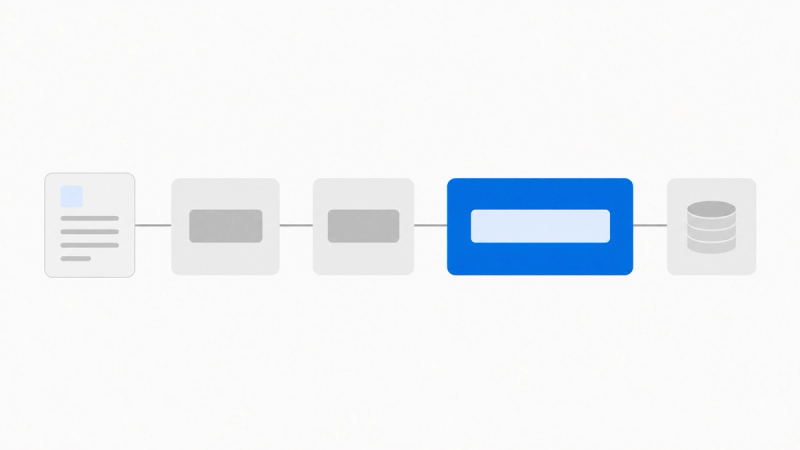 Collections · 9 min readHow to improve days sales outstanding (DSO)How to improve days sales outstanding: turn each cause of late payment into days of DSO, fix the biggest stage first and compare with 2025 sector medians.Lokesh Mahala ·
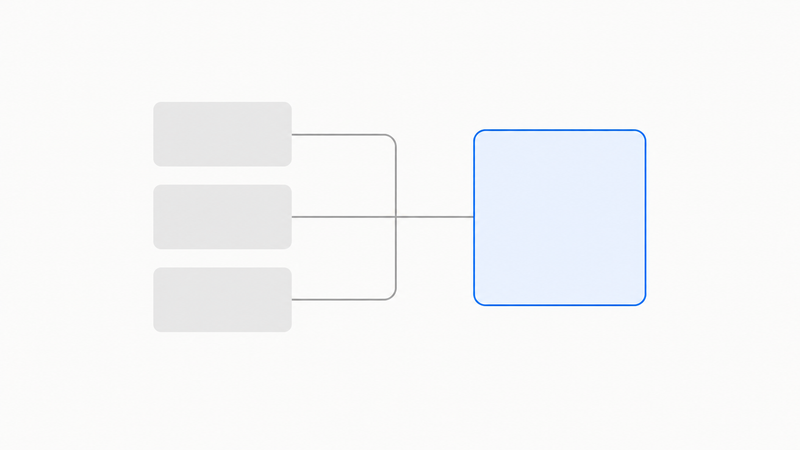 Billing · 8 min readConsolidated billing: one invoice for several contracts and sitesConsolidated billing puts several contracts, sites or meters on one invoice. How to align billing dates, a worked example, and GST and sales tax limits.Supreet Gupta ·
 Revenue recognition · 10 min readUnbilled revenue: meaning, journal entries and examplesUnbilled revenue explained with journal entries, a worked usage example, and how ASC 606 and Ind AS 115 split it into receivables and contract assets.Supreet Gupta ·
 Collections · 14 min readBest collection software for B2B finance teamsCollection software for B2B invoices: seven tools compared by follow-up, payment matching and pricing model, and how they differ from debt-recovery tools.Lokesh Mahala ·
 Collections · 12 min readPayment reminder software for B2B finance teamsPayment reminder software for B2B teams: a sample reminder, eight things to check, vendor questions, red flags and the WhatsApp opt-in rule for India.Supreet Gupta ·
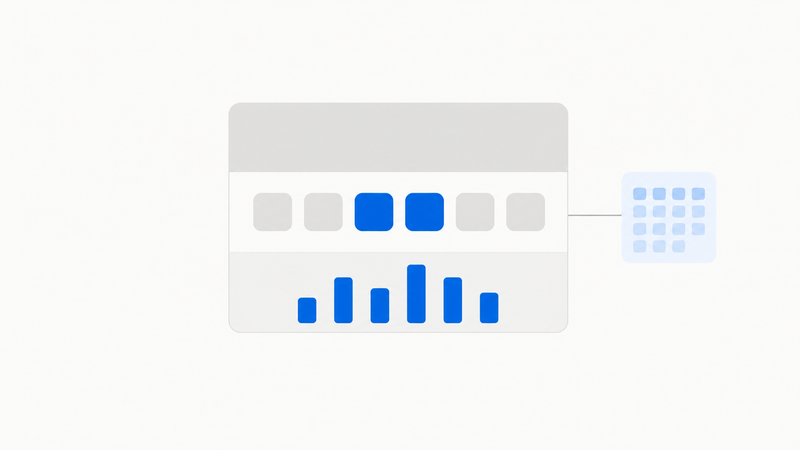 Billing · 10 min readWhat is SaaS billing? Models, process and softwareSaaS billing explained: flat, per-seat, usage and tiered pricing, in advance vs in arrears, proration, invoicing and tax, with a worked hybrid invoice.Lokesh Mahala ·
 Collections · 10 min readDSO formula: how to calculate days sales outstandingThe DSO formula worked through one quarter: ending vs average receivables, the countback method, best possible DSO and the input mistakes that distort it.Supreet Gupta ·
 Collections · 8 min readHow to track payment collections in B2B SaaSTrack payment collections in B2B SaaS with a copyable invoice tracker, clear statuses, next actions and daily review checks for finance teams.Lokesh Mahala ·
 Collections · 7 min readReceivables management: process, metrics and toolsReceivables management: set invoice and follow-up rules, read DSO and ageing, and match deposits to open invoices. Use this guide to review your process.Supreet Gupta ·
 Billing · 5 min readProration calculator: formula and worked examplesProration calculator: calculate a partial charge or plan change, then check whether your contract uses day, hour or calendar-unit proration.Lokesh Mahala ·
 Order to cash · 7 min readWhat is order to cash? The process, step by stepFollow order to cash from customer order to cash application. See the handoffs, a worked B2B example and a practical process map for finance teams.Supreet Gupta ·
 Revenue recognition · 7 min readInd AS 115 revenue recognition for Indian software companiesInd AS 115 revenue recognition for software contracts: apply the five steps, allocate bundled SaaS fees in rupees and check with your auditor.Lokesh Mahala ·
 Revenue recognition · 6 min readIFRS 15 revenue recognition and how it differs from ASC 606IFRS 15 revenue recognition follows five steps. Compare ASC 606 differences in collectibility, sales taxes and licences, with a worked SaaS example.Supreet Gupta ·
 Collections · 9 min readBest accounts receivable software for B2B finance teamsCompare B2B accounts receivable software by invoice coverage, collections, cash application and integrations. Use the checklist to shortlist vendors.Supreet Gupta ·
 Revenue recognition · 7 min readASC 606 explained: the five steps with SaaS examplesASC 606 explained with the five steps, worked SaaS allocation math and a practical revenue timing example. Review the method with your finance team.Lokesh Mahala ·
 Collections · 7 min readAccounts receivable collections: how B2B teams get paid on timeAccounts receivable collections: map B2B follow-ups from due date to cash matching, with an adaptable sample sequence and practical measures.Lokesh Mahala ·
 Pricing teardowns · 5 min readSnowflake pricing explained: credits on demand or prepaid capacitySnowflake bills compute in credits, about $2 to $4 each by edition on demand, or as prepaid capacity drawn down. How it works, and Datadog's model.Supreet Gupta ·
 Pricing teardowns · 5 min readSlack pricing explained: per active seat, prorated both waysSlack charges per active user, $7.25 on Pro and $15 on Business+ billed annually, and prorates seats added or gone quiet. How it works, and Figma's model.Lokesh Mahala ·
 Pricing teardowns · 4 min readSalesforce pricing explained: per-user editions and the renewal upliftSales Cloud is priced per user per month by edition, $25 Starter to $550 Max, billed annually up front, with a default 7% renewal uplift. How to bill it.Supreet Gupta ·
 Pricing teardowns · 5 min readOpenAI API pricing explained: per-token usage on prepaid creditOpenAI API pricing explained: per-million-token rates for input, cached input and output, Batch discounts, prepaid credit, and a worked monthly bill.Lokesh Mahala ·
 Pricing teardowns · 5 min readJira pricing explained: per-user tiers where every band has its own rateJira pricing is per user, with the rate stepping down by tier and each band charged at its own rate, billed on the month's peak seat count. A worked bill.Supreet Gupta ·
 Pricing teardowns · 5 min readHubSpot pricing explained: a platform fee, seats and contact bands on one annual contractHubSpot pricing explained: a platform fee with seats and contacts included, $45 extra seats, contact blocks, onboarding, and a worked first invoice.Lokesh Mahala ·
 Pricing teardowns · 6 min readFedEx pricing explained: a rate card, a fuel index and a bill per shipmentHow FedEx pricing works: a zone-by-weight rate table, a weekly fuel surcharge and per-package accessorials, with a worked shipment and a weekly invoice.Supreet Gupta ·
 Pricing teardowns · 5 min readElevenLabs pricing explained: credit tiers that roll overElevenLabs sells monthly credit tiers from $6 to $990 and rolls unused credits over for two months. How it works, a worked month, and Zapier's version.Lokesh Mahala ·
 Pricing teardowns · 5 min readCursor pricing explained: a seat plus a usage poolCursor charges a monthly seat that includes a pool of model usage, then bills on-demand usage in arrears at API rates. How it works, and how to bill it.Supreet Gupta ·
 Pricing teardowns · 5 min readAWS S3 pricing explained: graduated tiers, per-thousand requests, free allowancesAWS S3 Standard storage costs $0.023 per GB for the first 50 TB, then $0.022 and $0.021. How graduated tiers bill, and Cloudflare Workers' packaged model.Lokesh Mahala ·
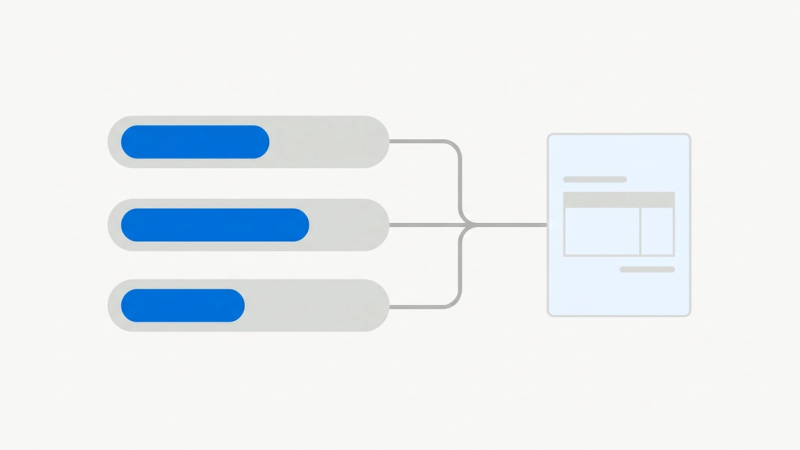 Usage and seats · 3 min readUsage-based billing, explainedUsage-based billing charges for what each customer consumes. The pricing models one contract can mix, why ingestion is the hard part, and what to check.Supreet Gupta ·
 Billing · 4 min readSubscription billing, explainedSubscription billing explained: the models a real contract mixes, why the billing schedule matters most, and where flat-plan tools break on proration.Lokesh Mahala ·
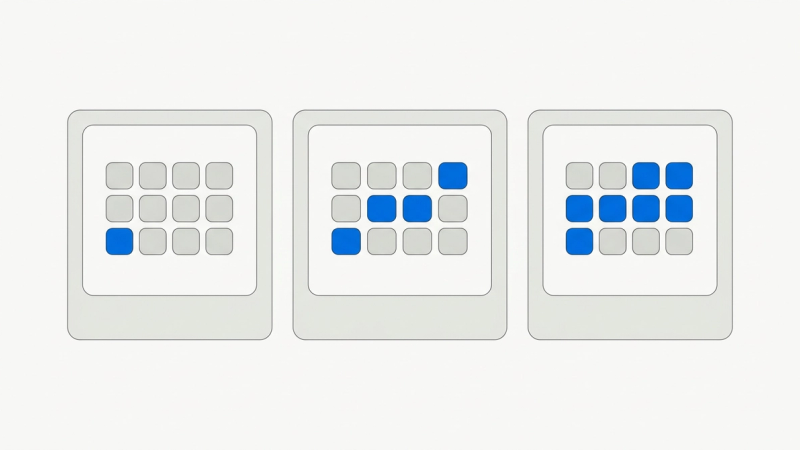 Usage and seats · 4 min readSeat-based billing explained: snapshots, confirmation and prorationSeat-based billing charges a rate per seat. Why seat files should be daily snapshots, how confirmation windows work, and a worked mid-month proration.Supreet Gupta ·
 Revenue recognition · 4 min readRevenue recognition automation, explainedRevenue recognition automation turns sent invoices into a revenue waterfall and journal entries. Straight-line vs point-in-time, with a worked example.Lokesh Mahala ·
 Billing · 4 min readInvoice automation explained: generation, numbering and correctionsInvoice automation builds, numbers and sends invoices from what was agreed. Why sent invoices must stay frozen, where numbering breaks, and what to check.Supreet Gupta ·
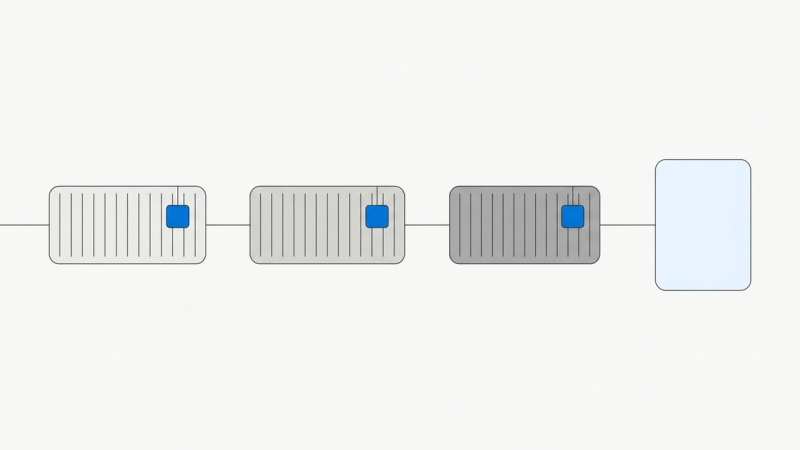 Shipment and freight · 4 min readFreight and shipment billing software, explainedFreight billing software rates each shipment against the contract's rate card and invoices it, with no monthly schedule. Rate indexes, shippers and checks.Lokesh Mahala ·
 Collections · 4 min readDunning and collections automation, explainedDunning is the reminder sequence on an overdue invoice. How collections automation runs it, why only sent invoices age, and how bank matching stops it.Supreet Gupta ·
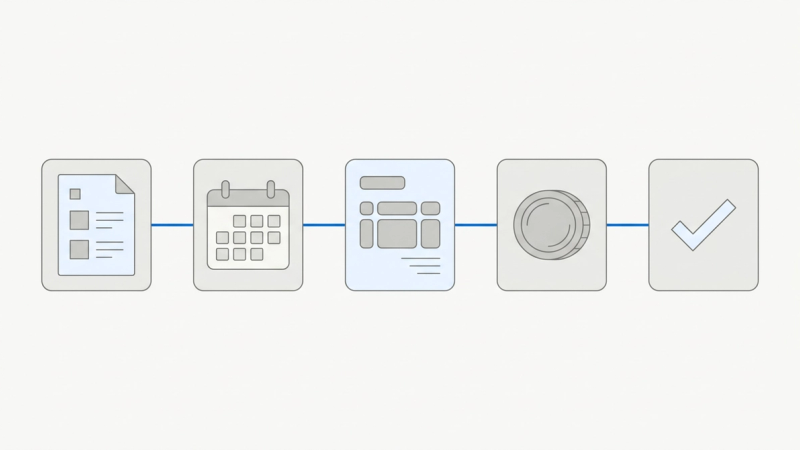 Order to cash · 4 min readContract-to-cash software explained: from signed contract to matched cashContract-to-cash software takes a signed contract through billing, collections, bank matching and revenue. The six steps, an example and where ERP fits.Lokesh Mahala ·
 Billing · 4 min readBilling proration explained: calendar units vs day ratiosBilling proration charges for part of a period. Why the day-ratio formula drifts from the quoted price, and calendar-unit proration with a worked example.Supreet Gupta ·
 Collections · 4 min readBank reconciliation automation, explainedBank reconciliation automation matches deposits to open invoices. Why payer names rarely match, how partial and split payments work, and what to check.Lokesh Mahala ·
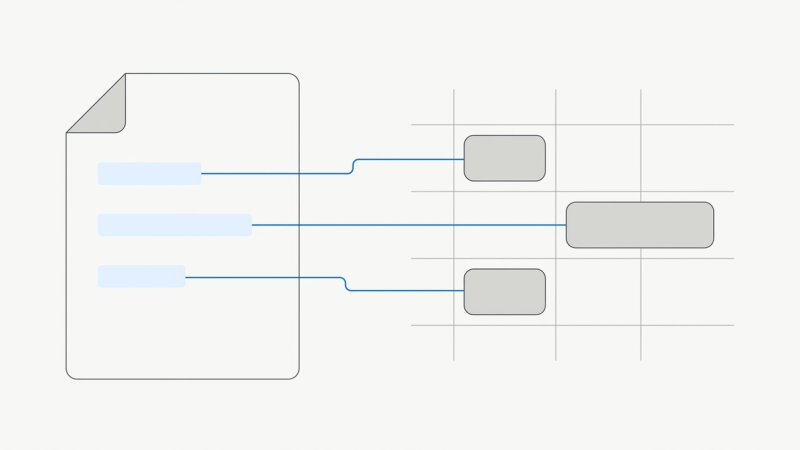 Contracts and schedules · 3 min readAI contract parsing for billing, explainedWhat AI contract parsing for billing has to extract, why approval before activation matters more than speed, and what to check before you trust it.Supreet Gupta ·
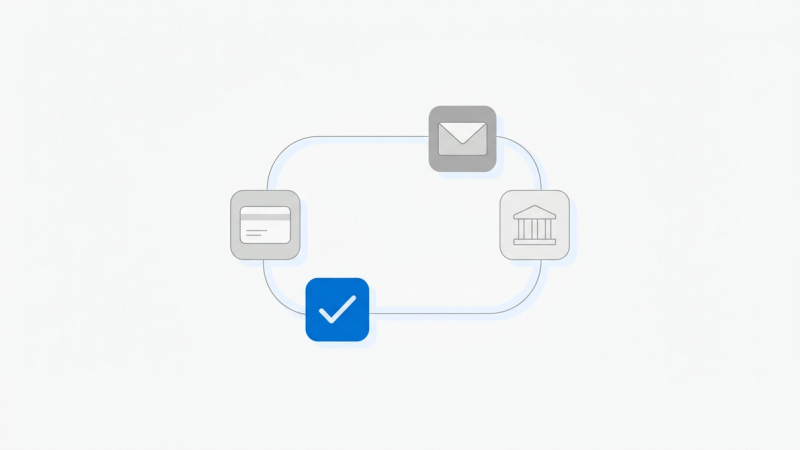 Order to cash · 4 min readAccounts receivable automation, explainedWhat accounts receivable automation covers, why billing, collections and cash matching need one shared record, and what to check before you trust a vendor.Lokesh Mahala ·
 Billing · 4 min readChargebee alternatives for B2B contract-to-cash in 2026Five Chargebee alternatives for B2B contract-to-cash in 2026: Maxio, Zuora, Ordway, Zenskar and Sonic AI, with who each fits best and how each is priced.Lokesh Mahala ·
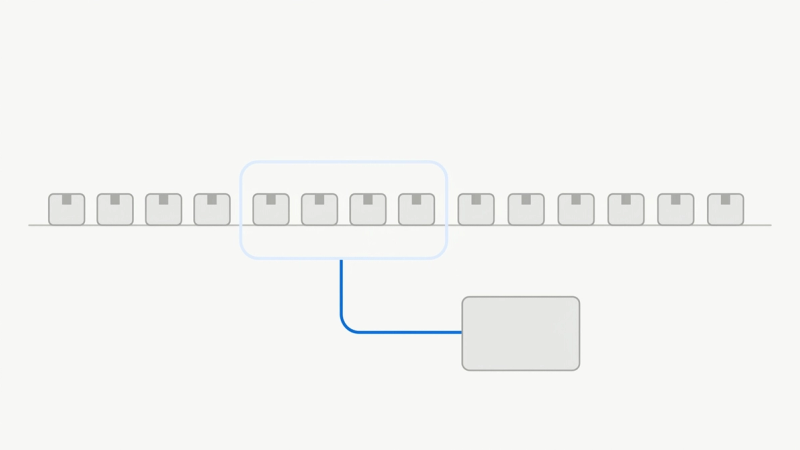 Shipment and freight · 5 min readFreight invoicing has no billing period: it has a windowHow freight invoicing groups rated shipments by contract window instead of calendar month, and what it does to invoice numbers, fuel gaps and late hauls.Supreet Gupta ·
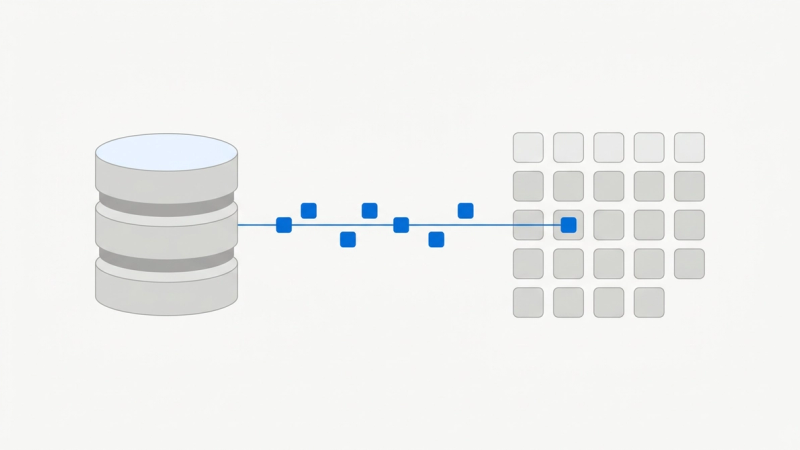 Integrations · 2 min readUsage sync from your database, without monthly exportsHow a data link turns database rows into usage events on a schedule: what it stores, how incremental sync works, the safe setup, and how to cut over.Lokesh Mahala ·
 Billing · 3 min readUpgrade and downgrade proration: calendar units, not day ratiosHow to prorate a mid-period upgrade or downgrade: edit the draft or issue an adjustment invoice or credit note, and why March credits a full month.Supreet Gupta ·
 Collections · 3 min readDunning configuration in Watchtower: stages, merge fields and pausesHow to configure dunning in Watchtower: which invoices age, stage triggers and channels, merge fields for subscription and freight, and when it pauses.Lokesh Mahala ·
 Contracts and schedules · 4 min readPayment-gated subscription activation: start billing once the fee is paidPayment-gated subscription activation starts billing only once a setup fee is paid. The four start modes, why dates stay empty, and what to check first.Supreet Gupta ·
 Usage and seats · 4 min readUsage templates: a contract with a file you haven't seen yetA usage template maps each customer's usage file to billable events. The three jobs it does, why nothing bills until you process it, and choosing the key.Lokesh Mahala ·
 Collections · 3 min readBank reconciliation matching: deposits, payers and partialsHow bank reconciliation matching ties deposits to invoices: amount, reference and payer name, processor payouts, partial payments and split deposits.Supreet Gupta ·
 Revenue recognition · 3 min readRevenue waterfall and journal: reading billed vs recognisedHow to read a revenue waterfall: billed, deferred and recognised by month, with a worked example, the journal entries behind it, and how freight differs.Lokesh Mahala ·
 Billing · 3 min readMinimum commitment billing: floors, groups and true-upsHow minimum commitment billing works: a spend floor across a group of products, the true-up line when usage falls short, and why late usage moves it.Supreet Gupta ·
 Integrations · 3 min readStripe and Razorpay payment links on invoicesHow Stripe and Razorpay payment links on invoices work: hosted checkout, the webhook that marks invoices paid, and why payouts still need bank matching.Lokesh Mahala ·
 Order to cash · 3 min readThe Monday morning reconciliation problem: dunning customers who already paidA deposit lands, nobody matches it, and collections chases a customer who already paid. Why it happens, and how bank reconciliation becomes the off switch.Supreet Gupta ·
 Order to cash · 3 min readTwo systems, one truth: connecting payments and the ledgerPayment reconciliation across Stripe or Razorpay, the bank and your ERP: why payouts rarely match one invoice, and how to trace a deposit to the journal.Supreet Gupta ·
 Contracts and schedules · 2 min readSubscription mode or shipment mode: pick one per workspaceSubscription or shipment mode: how Sonic's two billing engines differ on catalogs, collections, bank matching and revenue, and why a workspace runs one.Lokesh Mahala ·
 Revenue recognition · 3 min readBilled is not recognisedBilled vs recognised revenue: why an invoice isn't revenue yet, how subscriptions defer and release, and why freight recognises on the shipment date.Lokesh Mahala ·
 Shipment and freight · 3 min readFuel rate index branches, without silent fallbackA fuel rate index branch gives listed carriers their own fuel table. How Default and branches work, why gaps never fall back, and what the invoice shows.Supreet Gupta ·
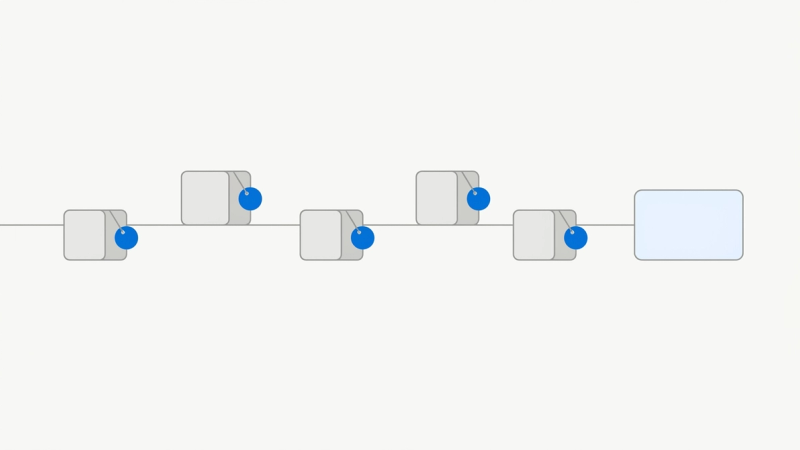 Shipment and freight · 3 min readShipment billing is not a scheduleShipment billing rates each haul against the carrier contract and invoices the shipper by shipment or window. How it differs from a subscription schedule.Lokesh Mahala ·
 Order to cash · 4 min readContract-to-cash as one chain, from signed contract to journalThe contract-to-cash process as one chain, from contract and schedule to invoice, cash and journal, and why stitched tools invent a second set of numbers.Supreet Gupta ·
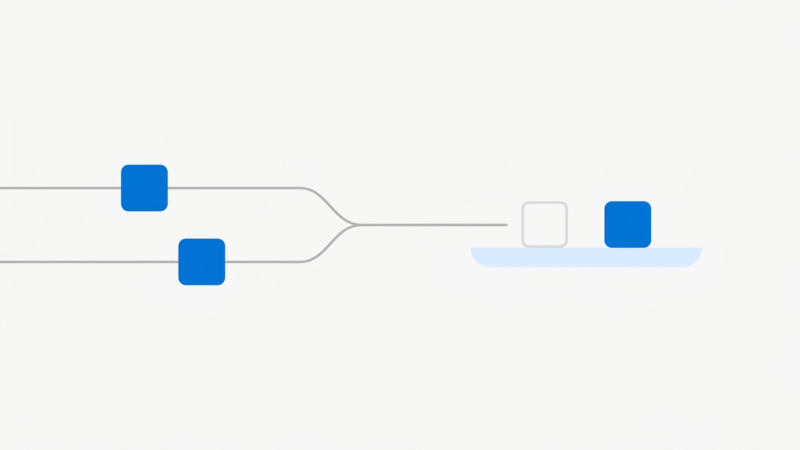 Usage and seats · 3 min readIdempotency in usage billing is a product featureIdempotency keys stop usage and seat imports from billing twice when a file is re-uploaded or a sync retries. How to choose the key and where it applies.Lokesh Mahala ·
 Order to cash · 3 min readWhere finance AI agents belong in contract-to-cashFinance AI agents belong in the judgement steps: contract parsing, collections drafts and bank match suggestions, while invoice math stays rule-based.Supreet Gupta ·
 Order to cash · 2 min readBring a real contract. We mean it.The best test of billing software is your messiest contract, usage file or seat export. What to bring, what a real run shows, and how to judge the result.Lokesh Mahala ·
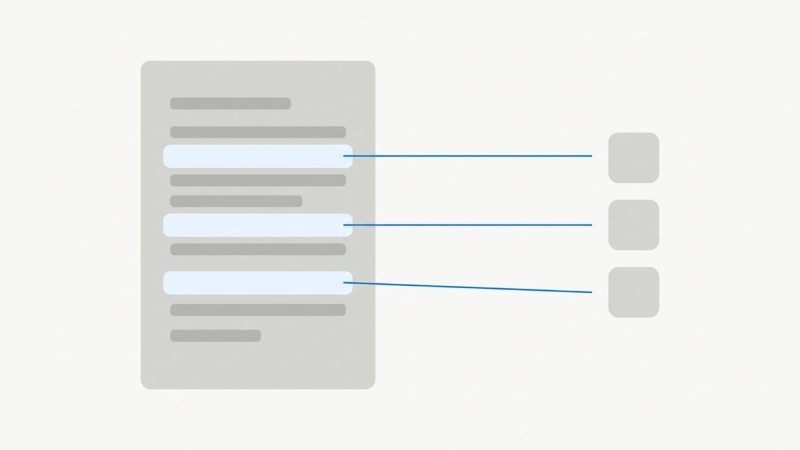 Contracts and schedules · 3 min readWhat a signed PDF actually contains for billingThe billing terms to check in a signed contract before you approve: phases, payment gates, one-time fees, usage and seats, and what parsing won't invent.Lokesh Mahala ·
 Order to cash · 3 min readMigrating off spreadsheet billing without a big-bang cutoverA five-step plan for moving billing off a spreadsheet without a big-bang go-live: what to compare in the parallel run, and the mistakes that slip through.Supreet Gupta ·
 Usage and seats · 4 min readSeats are snapshots, not vendor deltasBill seats from daily counts, not a vendor's increase column. How snapshots become seat events, how confirmation days hold adds, and what to check.Supreet Gupta ·
 Collections · 3 min readCollections starts after sendCollections should only chase invoices the customer has received. What counts as overdue, how a dunning cadence runs and stops, and why bank rec matters.Lokesh Mahala ·
 Billing · 3 min readWhy issued invoices never grow new linesCan you edit an invoice after it's sent? Which invoice states can still change, how to correct a sent one, and the late usage and upgrade cases teams miss.Supreet Gupta ·
 Order to cash · 3 min readWhy finance teams keep a shadow spreadsheetWhy finance keeps a workbook it trusts more than the billing system: the modelling gaps behind it, what it hides, and how to retire it without a big bang.Lokesh Mahala ·
See Sonic run on one of your contracts.
A 30-minute call with the team, using your own contract.
Book a demo